
How to Toilet Train an Older Rescue Dog: A Kind, Practical Guide
Bringing home an older rescue dog is an incredibly rewarding experience—but toilet training can sometimes feel like starting from scratch. The good news? Adult dogs can absolutely learn new habits, often faster than puppies, because they have better bladder control and a greater ability to focus.
This guide will walk you through a calm, compassionate, and effective approach to help your rescue dog feel confident and succeed.
Understanding Your Dog’s Starting Point
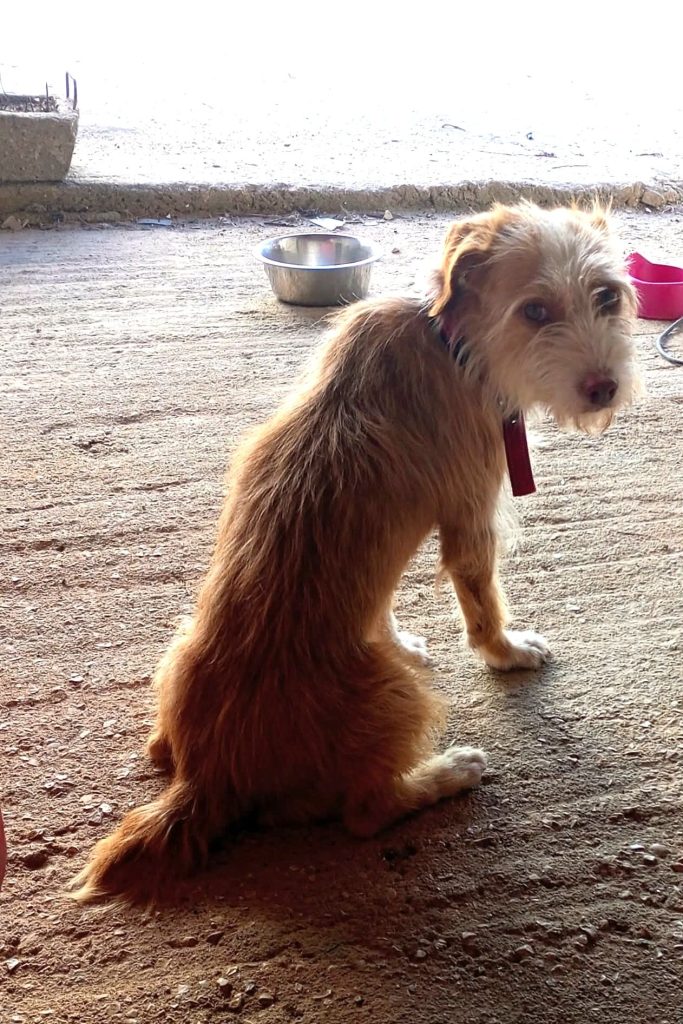

Before training begins, remember: your dog may be confused, anxious, or simply unaware of your home’s “rules.”
Common reasons older rescue dogs struggle with toilet training:
- They were never trained properly
- They lived outdoors or in kennels
- Stress and anxiety from rehoming
- Medical issues (always worth ruling out)
Patience is everything. Your dog isn’t being difficult—they’re learning.
Step 1: Build a Consistent Routine
Dogs thrive on predictability. Start by setting a clear daily schedule.
Take your dog out:
- First thing in the morning
- After meals
- After naps
- After playtime
- Before bedtime
Try to feed your dog at the same times each day to regulate digestion.
Tip: Stay outside long enough (5–10 minutes minimum) to give them a real chance to go.
Step 2: Choose a Dedicated Toilet Spot

Always bring your dog to the same area. The scent will encourage them to go again.
- Keep it calm and distraction-free
- Use a consistent cue like “go potty”
- Stay neutral—no playing until after they’ve gone
Repetition builds understanding.
Step 3: Reward Immediately and Generously
Timing matters more than anything.
When your dog toilets outside:
- Praise warmly (“Good girl/boy!”)
- Offer a small, high-value treat within seconds
- Keep your tone calm but happy
This creates a clear connection:
“Going here = good things happen.”
Step 4: Handle Accidents the Right Way
Accidents are part of the process—especially in the beginning.
If it happens:
- Do not punish (this creates fear and confusion)
- Clean thoroughly with an enzymatic cleaner
- Interrupt gently only if you catch them in the act, then take them outside
Punishment can make dogs hide when they need to go, which slows progress.

Step 5: Supervise and Manage Freedom
Until your dog is reliable:
- Keep them in the same room as you
- Use baby gates or a leash indoors if needed
- Watch for signals like sniffing, circling, or restlessness
If you can’t supervise, use:
- A crate (if they are comfortable with it)
- A small, dog-proofed area
Dogs naturally avoid soiling their sleeping space, which helps learning.
Step 6: Build Confidence, Not Fear

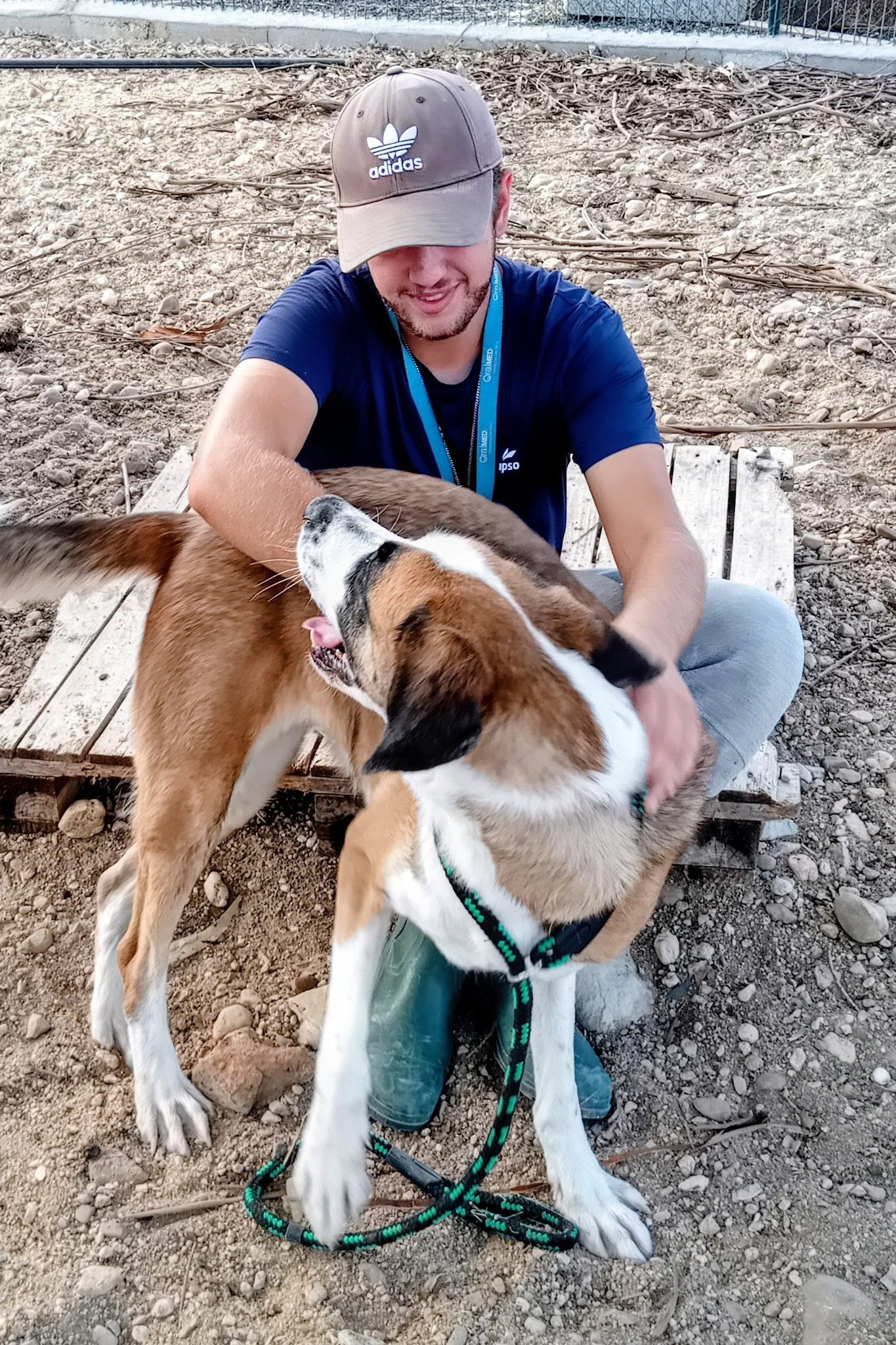
Many rescue dogs need emotional safety before they can learn effectively.
Support your dog by:
- Keeping your tone calm and predictable
- Avoiding punishment or raised voices
- Celebrating small wins
A confident dog learns faster.
When to Consider a Vet Visit
If progress is slow or inconsistent, check for:
- Urinary tract infections
- Digestive issues
- Incontinence
These are common and treatable—and ruling them out prevents frustration for both of you.
How Long Does It Take?
Every dog is different, but most older dogs improve significantly within:
- 2–4 weeks with consistent training
- Some may take longer depending on their history
Consistency matters more than speed.
Final Thoughts
Toilet training an older rescue dog isn’t just about teaching a habit—it’s about building trust, safety, and communication.
With patience, structure, and kindness, your dog will learn what’s expected—and more importantly, they’ll feel secure enough to succeed.

If you found this post helpful, please be sure to share it with other dog owners/potential dog owners.

 Dog Rehoming Portugal, EU and UK
Leave a comment